Envío a todo Costa Rica por solo ₡1490 

Enviar a
Costa Rica
0
  • argentina
  • chile
  • colombia
  • españa
  • méxico
  • perú
  • estados unidos
  • internacional

Selecciona tu país

América

Europa

Resto del mundo

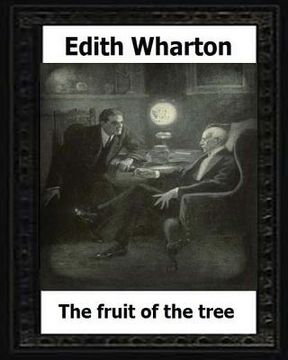
portada The Fruit of the Tree (1907) by: Edith Wharton (en Inglés)
Formato
Libro Físico
Editorial
Idioma
Inglés
N° páginas
254
Encuadernación
Tapa Blanda
Dimensiones
25.4x20.3x1.3 cm
Peso
0.51 kg.
ISBN13
9781530607747

The Fruit of the Tree (1907) by: Edith Wharton (en Inglés)

Edith Wharton (Autor) · Createspace · Tapa Blanda

The Fruit of the Tree (1907) by: Edith Wharton (en Inglés) - Wharton, Edith

Libro Nuevo Importado
Envío: 11 a 13 días háb.
₡ 7.534
Costos de importación y 13% IVA incluídos en el precio ✅
Libro Nuevo

Quedan más de 100 unidades

₡ 7.534
Llega entre el 30 Nov y el 04 Dic a Costa Rica. Seleccionar ubicación

Reseña del libro "The Fruit of the Tree (1907) by: Edith Wharton (en Inglés)"

The Fruit of the Tree is one of Edith Wharton's few novels to deal directly with issues such as euthanasia, the problems of labor and industrial conditions, and professions for women, as well as Wharton's more customary themes such as divorce. Published in 1907, it received positive but mixed reviews, and more recently critics have attempted to explain its uneven structure, which combines an industrial plot (Amherst's attempts to reform the mills), an ethical plot (the question of euthanasia) and the more conventional romance plot (Justine, Bessy, and Amherst). As The Fruit of the Tree opens, John Amherst, the reform-minded assistant manager at the Hanaford textile mills, meets trained nurse Justine Brent at the hospital bedside of Dillon, an injured mill worker. Justine and Amherst agree Dillon would be better off dead if he is deprived of his occupation, a conversation that unites them in their approval of euthanasia and sets in motion the novel's major incident. Shortly thereafter, Amherst is pressed into showing the mills to the new owner, Bessy Langhope Westmore, a former schoolmate of Justine's who is now a wealthy young widow with a young daughter. During the course of later meetings over the fate of the workers, Bessy falls in love with Amherst, caring less for his beautiful ideas than for his beautiful eyes. Thinking that she shares his idealistic social vision and concern for the workers, Amherst marries her and begins his campaign of reforming the mills. He runs into direct opposition from Bessy's father, Mr. Langhope, and her lawyer, Mr. Tredegar, and indirect opposition from Bessy, since all three prefer to maximize profits at the expense of the millhands. After the death of their infant son, Bessy and Amherst become increasingly estranged, and he spends longer and longer periods absent from home. In the meantime, Justine and Amherst have met and discussed conditions in the mills, and he has come to regard her as a friend. During one of his absences, which Amherst intends as a tacit separation between the two, Bessy recognizes that Amherst is drifting away from her. Hurt by his indifference, she defies his wishes by going to parties with the disreputable Mrs. Fenton Carbury and indulges herself in planning a "pleasure-house" replete with sun-room, water gardens, and other expensive features. By this time Bessy has also renewed her friendship with Justine, who tacitly understands the situation. Seeing the two drift apart and urged on by Mrs. Ansell, an older friend of Bessy's, Justine writes to Amherst that he should return home. Hurt by Amherst's refusal to do so, Bessy rides over icy roads on her spirited horse, Impulse, and suffers a near-fatal spinal injury. Called to Bessy's side in her capacity of nurse as well as friend, Justine watches Bessy suffer helplessly at the hands of Dr. Wyant, the ambitious young doctor determined to keep his patient alive at all costs. When Wyant leaves the house one afternoon, Justine faces the moral choice of whether to continue Bessy's suffering or to end it. She recalls Amherst's seeming approval of euthanasia both in the case of Dillon and in notes that he has written in his books. Moved by Bessy's plight and comforted by what she is sure will be Amherst's approval, she administers an overdose of morphine to Bessy.
Edith Wharton
  (Autor)
Ver Página del Autor
Edith Wharton (Nueva York, 24 de enero de 1862 – Saint-Brice-sous-Forêt, 11 de agosto de 1937) fue una novelista, ensayista y diseñadora estadounidense reconocida internacionalmente por su estilo refinado y su mirada crítica hacia las normas sociales de su tiempo. Procedente de una de las familias más acomodadas de Nueva York y formada en un entorno cosmopolita que incluyó largas estancias en Europa, desarrolló desde joven un interés especial por la literatura, la arquitectura y el arte, lo que nutrió profundamente su obra.
A finales del siglo XIX debutó en el ámbito literario con relatos y con la publicación de The Decoration of Houses (1897), un influyente ensayo sobre diseño de interiores escrito junto a Ogden Codman Jr. Su reconocimiento como novelista llegó con títulos como La casa de la alegría (1905) y Ethan Frome (1911), en los que retrató con gran sensibilidad las ambiciones, restricciones y contradicciones de la alta sociedad estadounidense.
El éxito definitivo de su carrera se consolidó en 1920 con La edad de la inocencia, novela que le valió el Premio Pulitzer en 1921, convirtiéndose en la primera mujer en recibir este galardón. A lo largo de su vida publicó más de 40 libros, entre novelas, ensayos y relatos, caracterizados por su ironía, elegancia estilística y penetrante visión social.
Instalada en Francia tras su separación de Edward Wharton, combinó la creación literaria con un compromiso activo en obras humanitarias durante la Primera Guerra Mundial. Sus últimos años los dedicó a seguir escribiendo y a cultivar su pasión por los jardines y el diseño arquitectónico en residencias como “The Mount”.
Su obra, traducida a numerosos idiomas y aún vigente, ha sido estudiada por su aporte al realismo literario moderno y por su capacidad para iluminar las tensiones entre el deseo individual y las convenciones sociales, manteniéndola como una de las autoras más influyentes de la literatura universal.
Ver más
Ver menos

Opiniones del libro

Preguntas frecuentes sobre el libro

Todos los libros de nuestro catálogo son Originales.
El libro está escrito en Inglés.
La encuadernación de esta edición es Tapa Blanda.

Preguntas y respuestas sobre el libro

¿Tienes una pregunta sobre el libro? Inicia sesión para poder agregar tu propia pregunta.

Opiniones sobre Buscalibre

Ver más opiniones de clientes